DRIFT
Software

GOLDILOCKS,
the model
that decides
where the ship
goes next
.

GOLDILOCKS is the routing model and the software stack around it — the system that finds the energy, sails the ship towards it, and gets it back to a quay as the tanks fill.

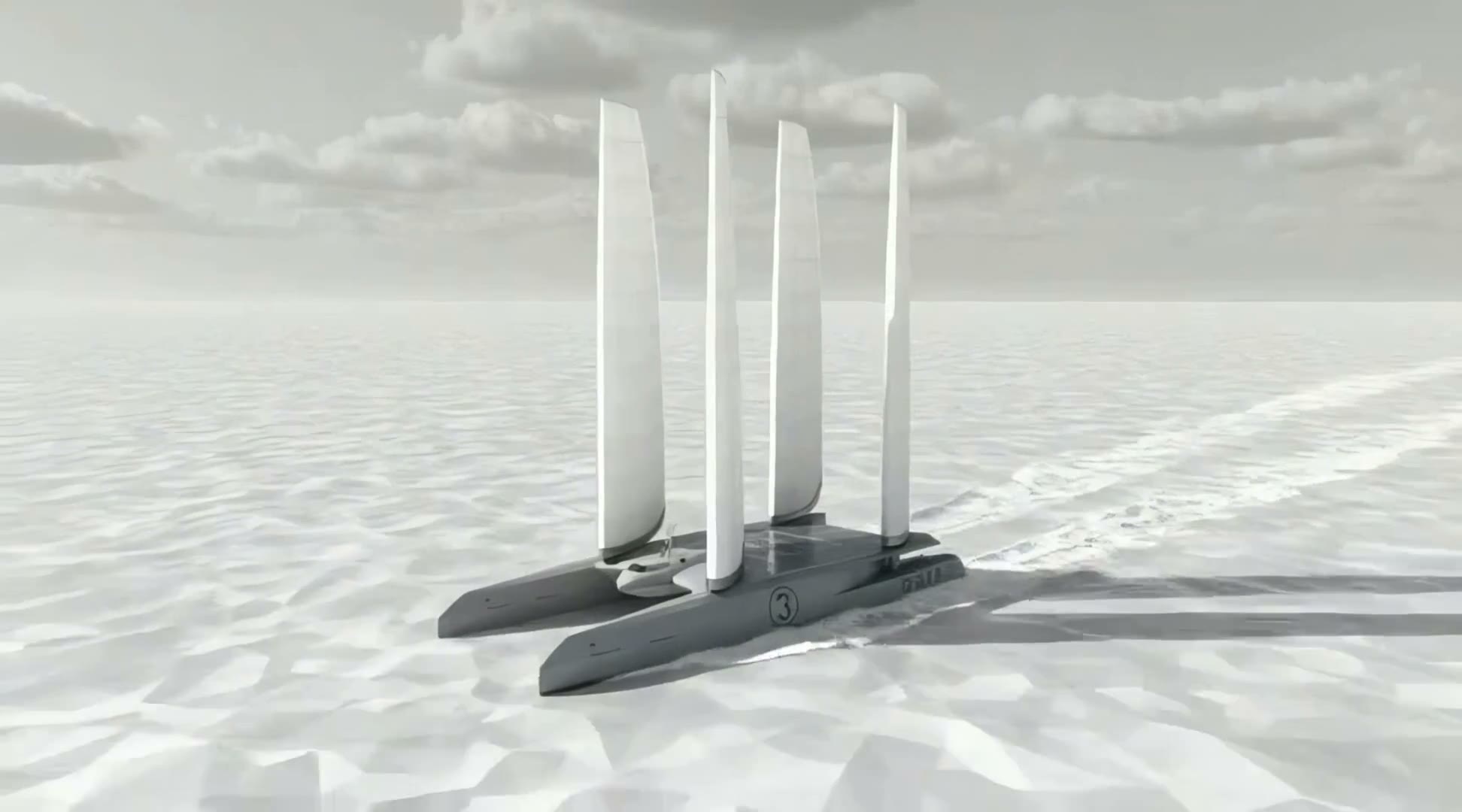
The ship it routes

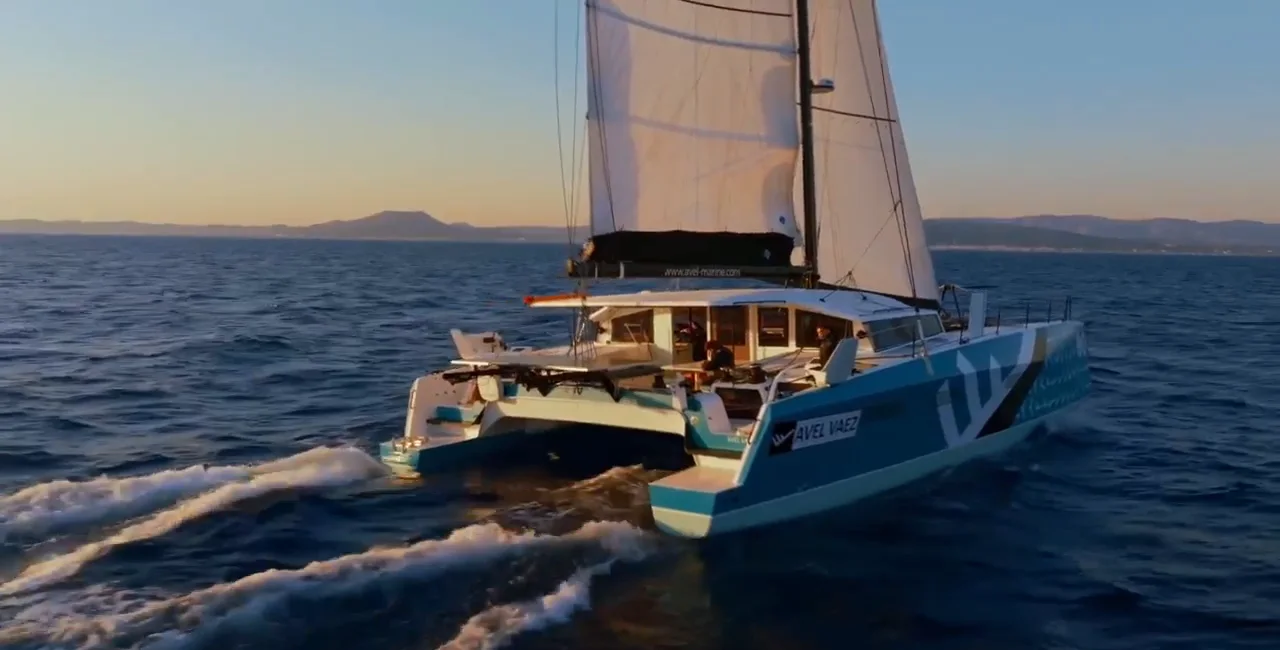
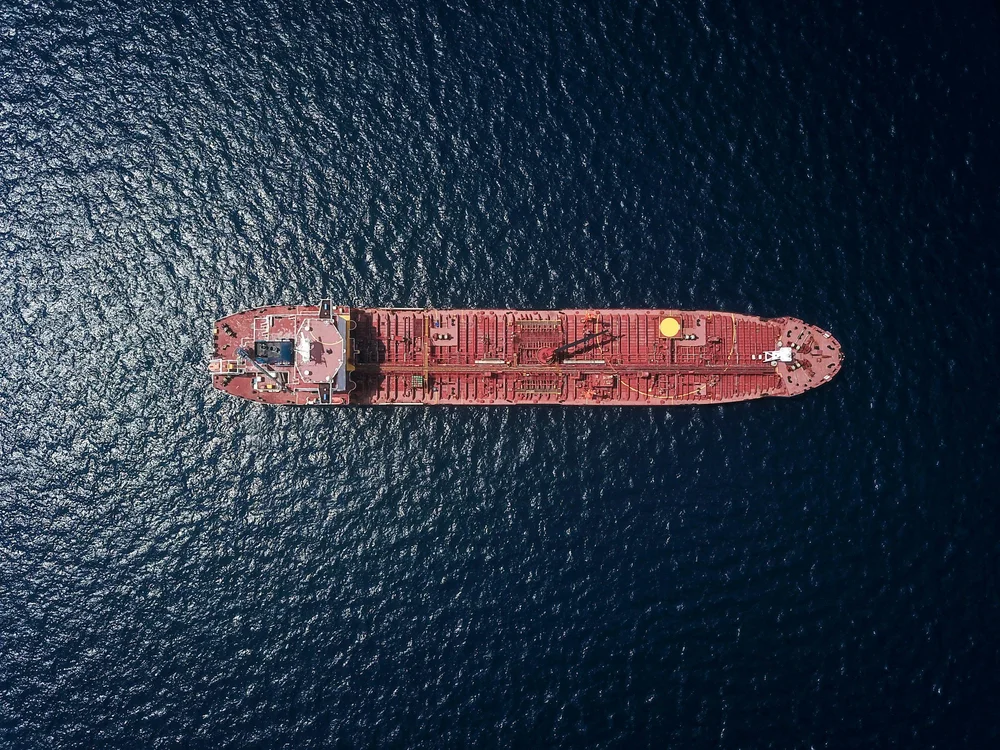
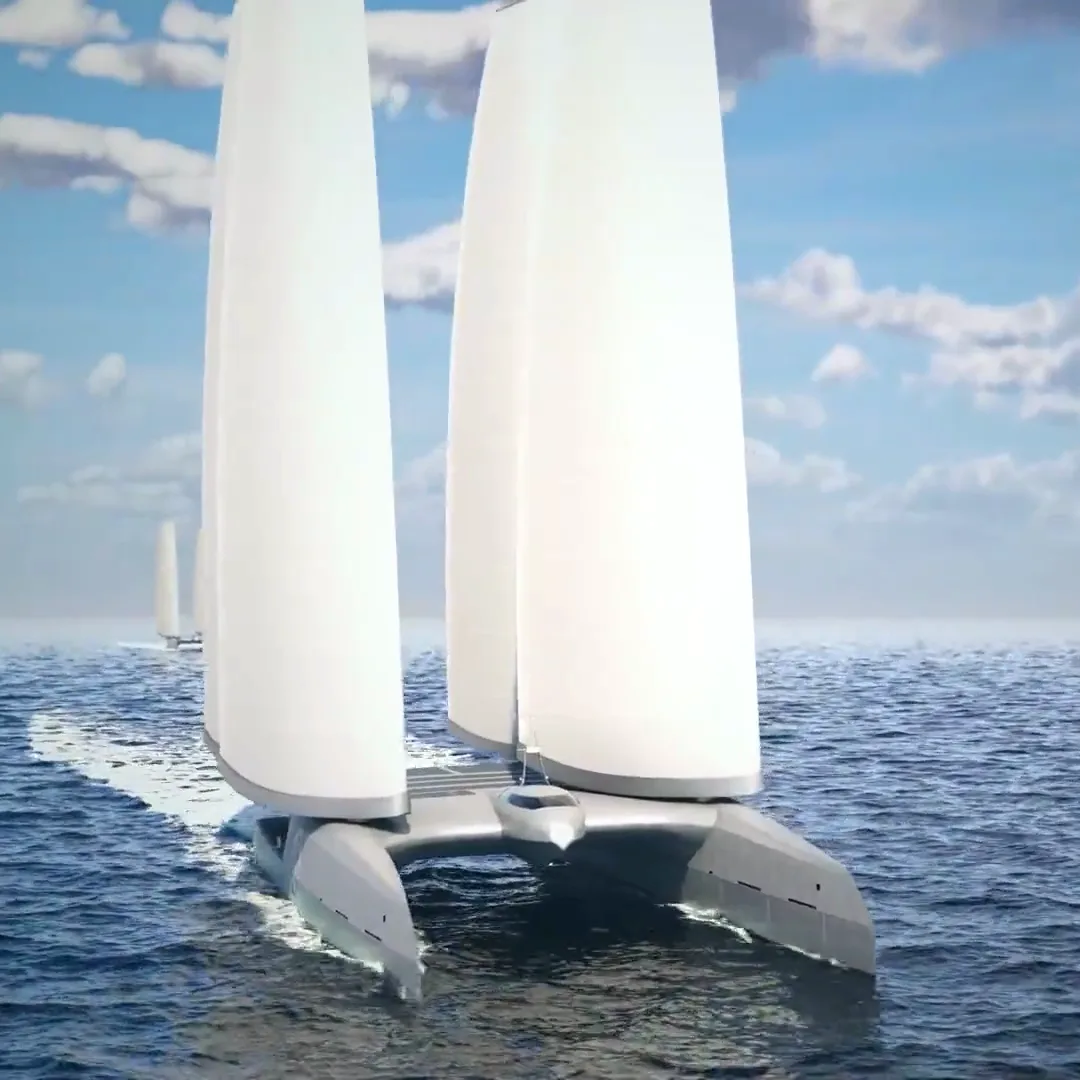
A DRIFT vessel seen from sea level, bow on, wing-sails rising out of frame
The software

What GOLDILOCKS is actually searching.

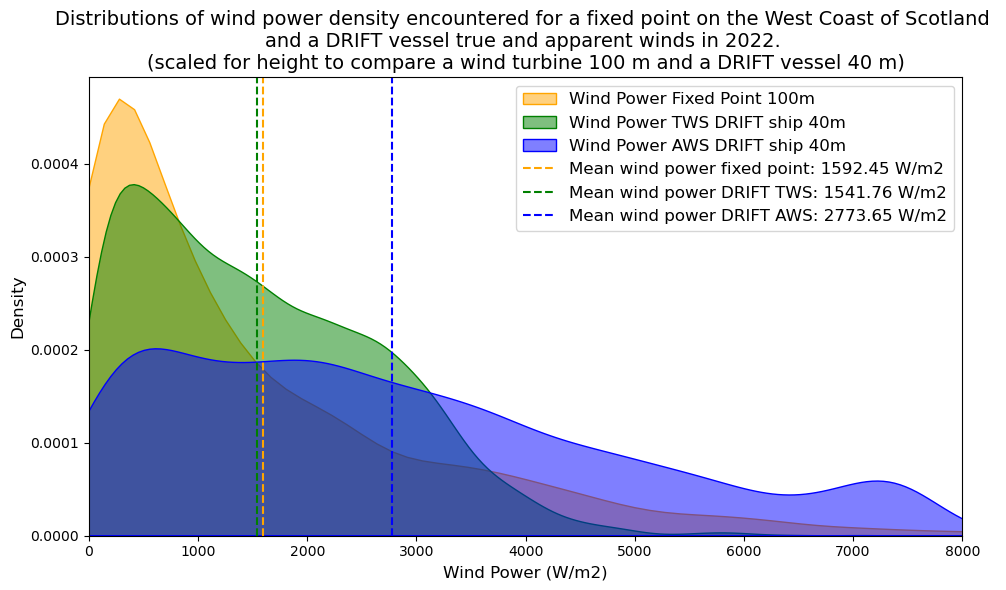
The input is not a chart. It is a set of performance polars — for every combination of true wind speed and angle, how fast the ship goes and how much power it makes — laid over a moving forecast of wind, wave and current.

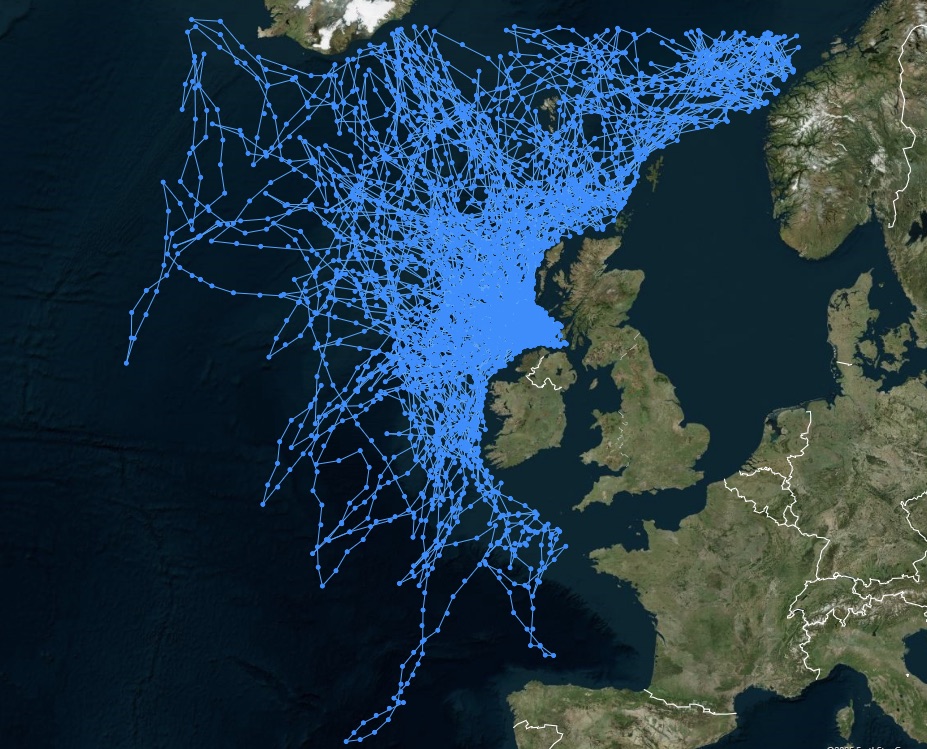
Map of the North Atlantic west of Britain and Ireland, overlaid with several thousand candidate vessel tracks fanning out from a dense core off the Irish coast
Every path considered on one North Atlantic year of routes.

The algorithm searches that field for the path which harvests the most energy in the quickest time, while arriving back at a quay as the tanks fill. Six million virtual miles are sailed to settle each next mile, and the answer comes back in two tenths of a second. First-principles vessel physics does the modelling; a machine-learning optimiser does the search.

  • Objective is energy harvested per unit time — not distance, speed or fuel
  • Constraint is the return leg: a full tank in the wrong ocean is worth nothing
  • Re-solved every one to six hours, depending on how fast the situation is moving

One tool, two jobs.

  • In design — every candidate ship is routed through more than a decade of real recorded weather before anyone commits to build. The output is a hydrogen yield and a levelised cost
  • In operation — the same model runs live on the voyage in front of it, on the ship's own instruments and the current forecast, visible to both Mission Control and the crew

Operators work in Navigator, which configures, runs and visualises both live voyages and long-horizon design simulations, and feeds raw power into the ship's digital twin for the electrical load schedule and the hydrogen yield. Live AIS re-routing and hydrogen spot pricing in the objective are next. Roadmap

Five systems, one loop.

GOLDILOCKS is the name of the routing model and of the stack around it — the software that sails the ship, the room that watches the fleet, and the feedback between them. Every one of the five runs on the same data streams.

Advanced routingOptimised routes for energy-harvesting ships, live and in decade-long simulation.
Autonomous sailingSelf-navigating vessels with continuous surveillance and minimal crew input.
Sailing control systemsReal-time trim and steering for speed and energy capture.
Performance analysisContinuous simulation, feeding the next design as well as this voyage.
AI-assisted operationsFleet and ship management, with a person in the loop at all times.
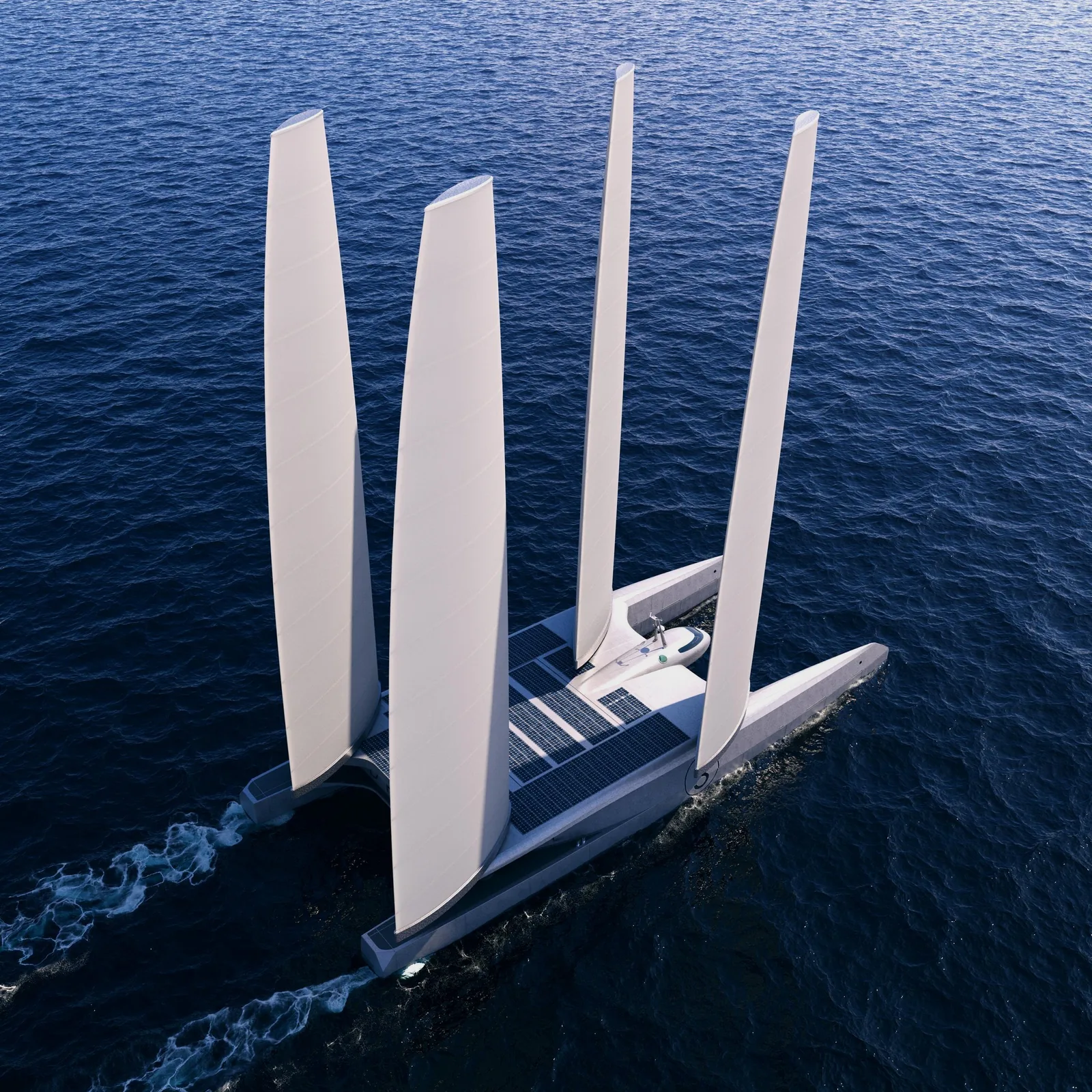
Analysis render of a DRIFT vessel under way, the four aerofoil rigs and twin hulls seen from off the bow
On board

The performance box.

One AI processor takes ship-wide sensor data and sets every controllable surface at once, gaining efficiency over the vessel's life rather than at commissioning. Rig, rudder and turbine data fuse into a single control loop, linked to the bridge and to Mission Control.

  • Wing-sail trim and flap angles, set from CFD and live LIDAR
  • Controllable-pitch turbines, azimuth angles and torque vectoring
  • Rudder movements — the cheapest way to trim apparent wind and shed wave drag
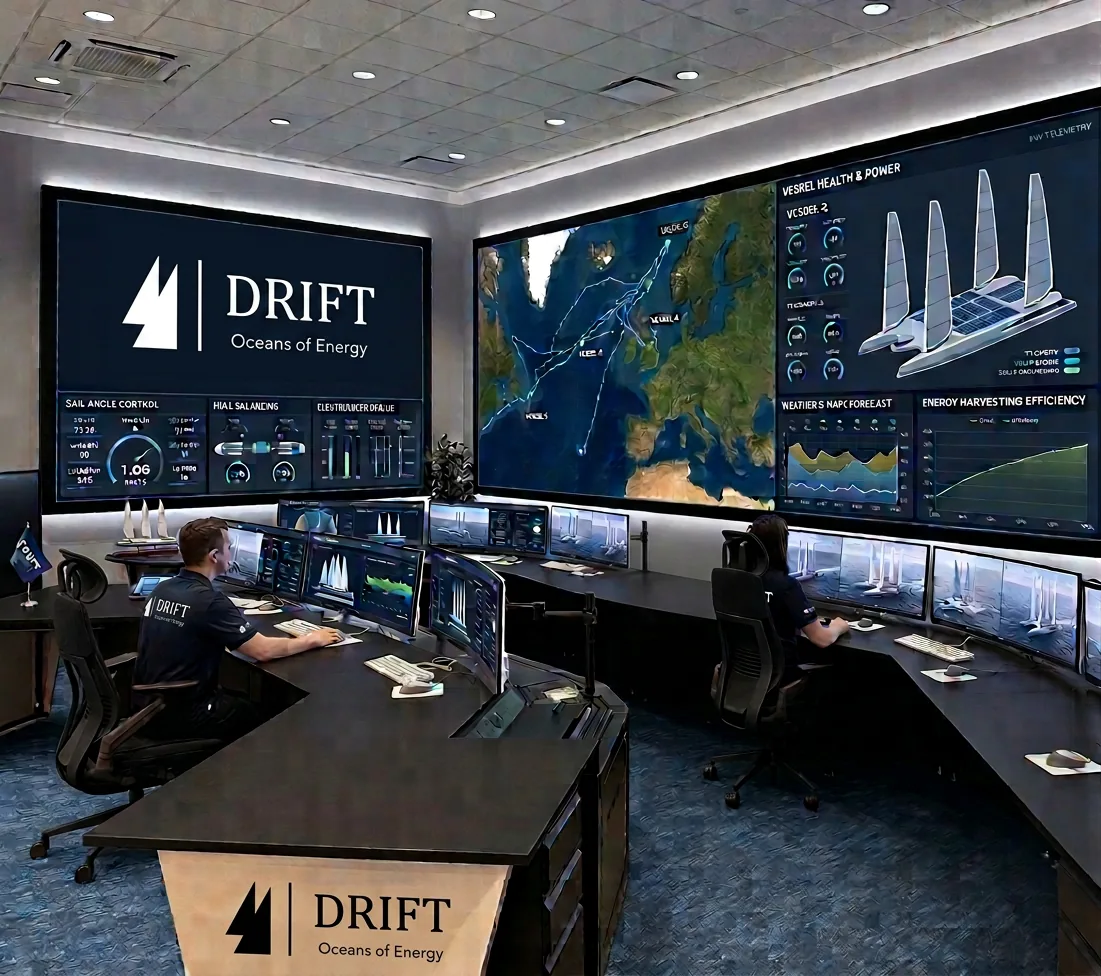
A DRIFT operations room: a wall of screens carrying fleet positions, vessel telemetry and weather, with two operators at the desks below it
Ashore

Remote Operations Centre.

A full digital twin of every ship at sea, with routing, condition monitoring and performance analysis in one room — and a performance team whose output goes into the ship's next leg as well as next ship's design.

  • One centre can operate several autonomous vessels at once
  • Live recommendations from GOLDILOCKS, with 24/7 human oversight
  • Fleet management, multi-port selection and hydrogen trading
The validation

Checked by experts in the field.

Who holds which part.

  • Faculty — the UK applied-AI firm behind the routing model, and independent validation across decades of simulated voyages
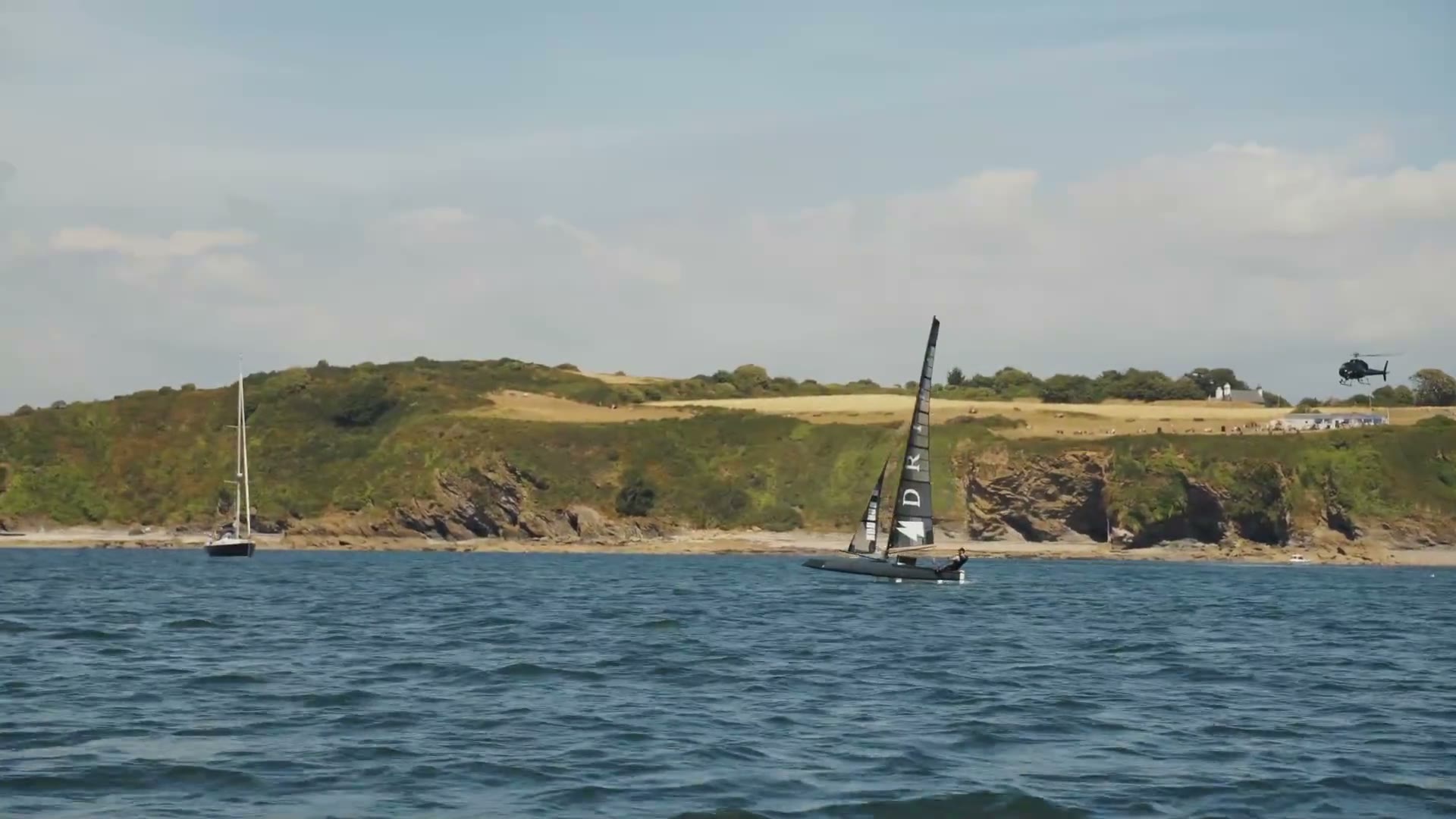
  • Miles Seddon — record-holding offshore navigator. Human-in-the-loop trials, sailing against the algorithm’s own routes
  • SumToZero — suppliers of Gomboc, the digital twin suite developed for Emirates Team New Zealand. Vessel performance is quantified in it: DRIFT built its own vessel architecture inside it rather than writing a performance model from scratch Third-party tool
Faculty on the routing model

Built to get better with scale.

The routing model improves independently of the hardware. Every voyage adds data, and the fleet compounds what any single hull learns — so yield can rise without a single change to the ship.

  • Multi-port routing shows a network uplift of over 10% Modelled
  • Extreme-condition results feed back into vessel design rather than only into routing
  • Multiple test basins, so no single favourable result can pass as a general one
5,000+simulated voyages behind the routing model
10+ yrsof ERA5 wind, wave and current reanalysis from ECMWF
500+vessel iterations modelled in the VPP suite
~140wind speed and angle combinations in every polar
1,500vessel parameters solved at each of those points
<2%of the year in unusable weather, North Atlantic

The limiting factor is not the wind. It is having to come home.

GOLDILOCKS performance analysis, North Atlantic Modelled

Next

The routing model is one of four pillars.

The rig, the turbine and the marinised plant are the other three, and each is being validated the same way this one is. The physics the whole argument rests on, and the single number every design decision is traded against, are on the technology page.

The technology