
AI capacity.
Fuelled and cooled
by the Ocean
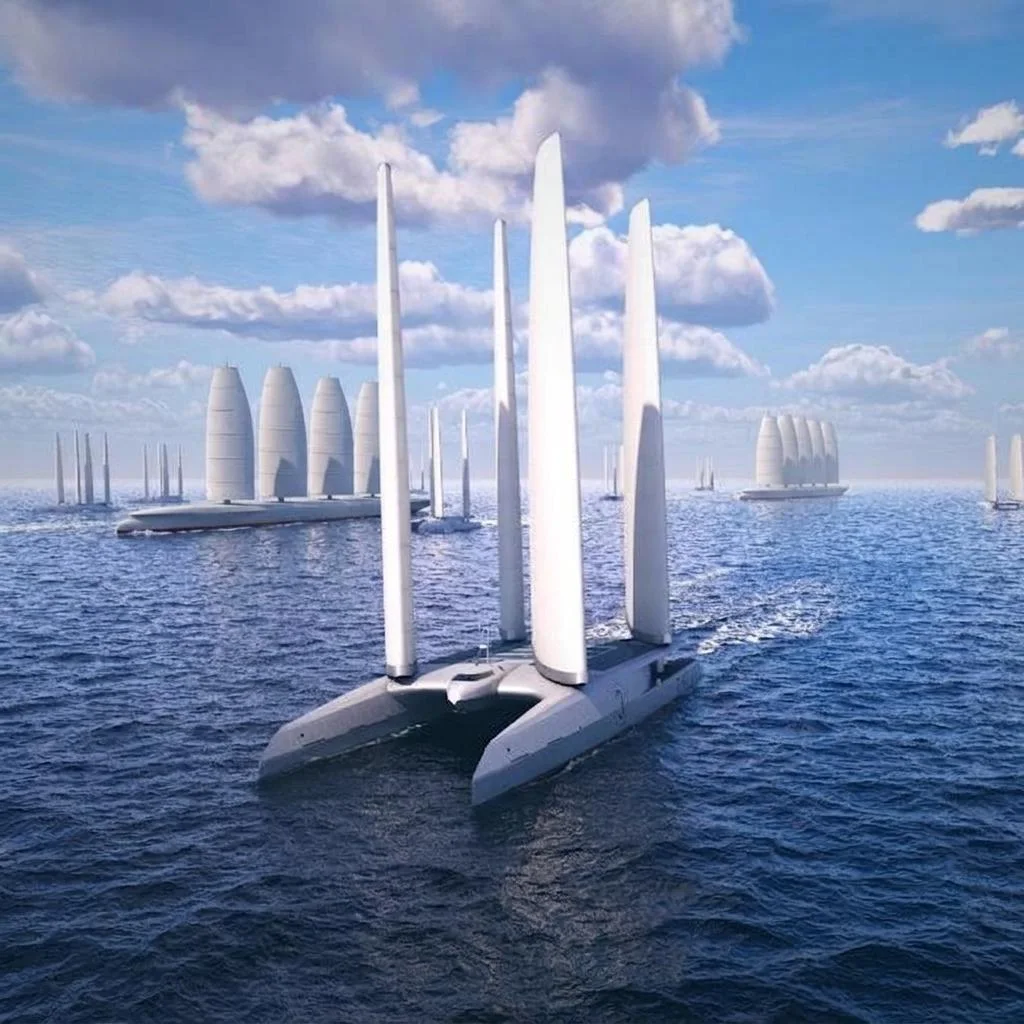
Self-powered, ocean-cooled compute vessels, built in series. A data centre that makes its own power from the wind, cools itself in the sea, and needs no land, no permit and no grid connection.

Every frontier model, every token, is constrained by the same thing. Power.
AI and cloud demand is set to grow 2.7× by 2030. All of it waiting for land, grid connections, water and permits. Years of delay and billions of cost.
-
The grid queue4.4 yrs
To power, on the global average.
Cushman & Wakefield -
Long-lead kit~200 wks
For a large power transformer.
IEA -
The race for land51%
Yearly increase in cost of powered land.
Cushman & Wakefield -
Public friction71%
Of Americans opposed to an AI data centre in their area, and local moratoria.
Gallup
Sail around the constrains. Beyond the horizon lies a vast and free untapped resource. No plan consents. No grid bottlenecks. Near unlimited scale.
The ocean is compute’s next frontier.
62 GW of AI training demand by 2030 can tolerate distance from its users. That is the demand that can go to sea.
- Power without a queue — wind, waves and sun at sea
- Cooling without freshwater — the ocean is the heat sink
- Space without the intrusion – no land consents, no social backlash
Every one of these premises has been proven separately. Nobody has yet combined them in a self-powered fleet that moves between regions and is built in series. That gap is what the Compute Galleon is built to fill.
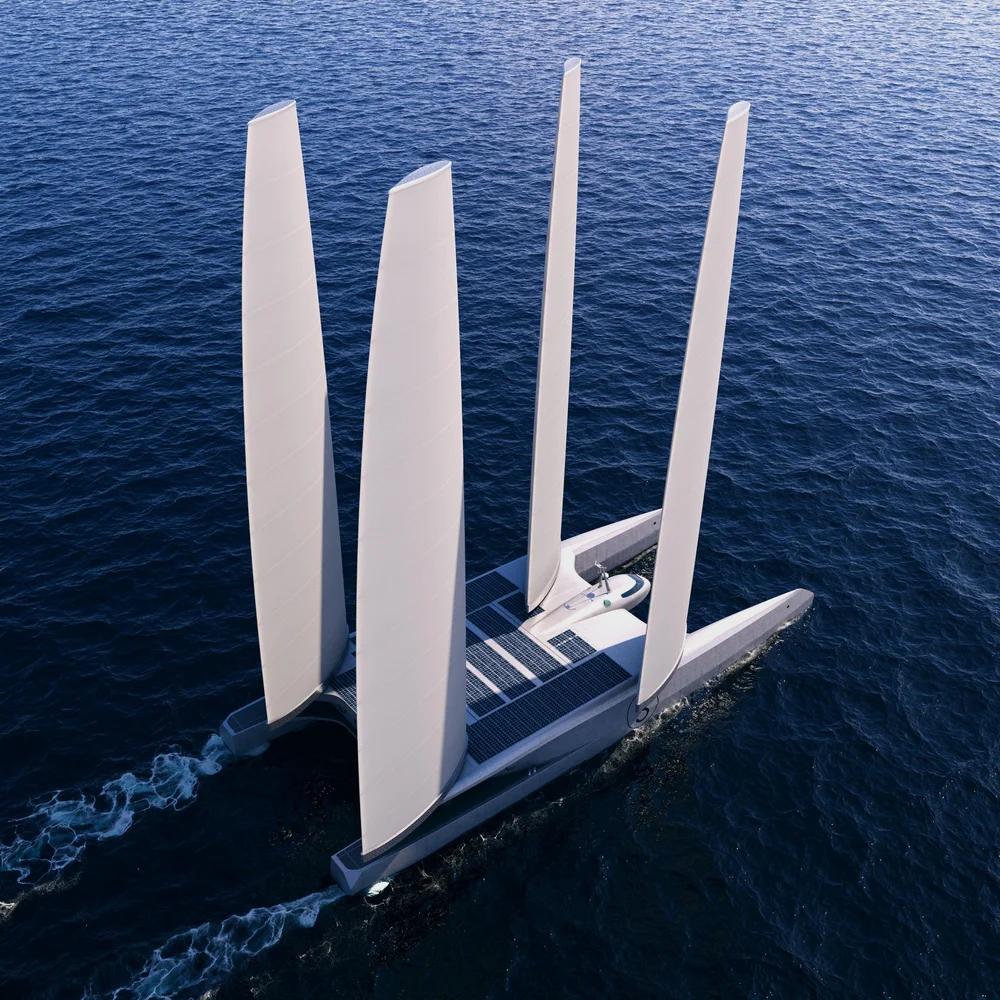
A data centre that makes its own free power.
Built on DRIFT’s energy-harvesting platform, with racks in the payload bay. The energy is spent onboard instead of being stored and distributed.
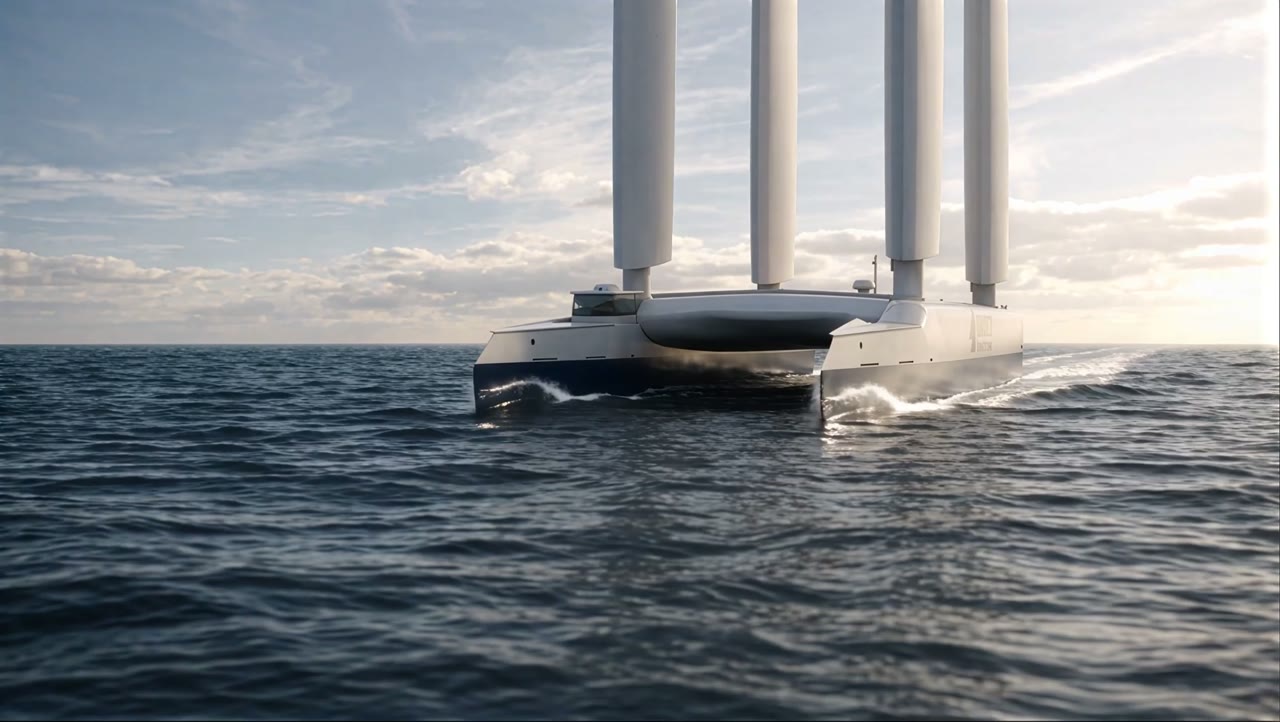
Concept render · DRIFT vessel with a compute payload
- Wingsails capture the wind
- Water turbines under the hull regenerate megawatts of power while under sail
- An ocean of cooling for the racks, with no freshwater drawn
- Redundant communication links, with two ways out from every vessel
20 MW of firm IT load per full-size vessel, at a PUE of 1.1. That compares with an industry average of 1.54, and it uses zero freshwater.
Four pillars of the Compute Galleon, and how we have validated them.
Three are the same on every DRIFT ship. The fourth is what the energy becomes: on a Compute Galleon, it powers tokens.
Find the wind, capture it, turn it into energy. The same on every DRIFT ship.
-
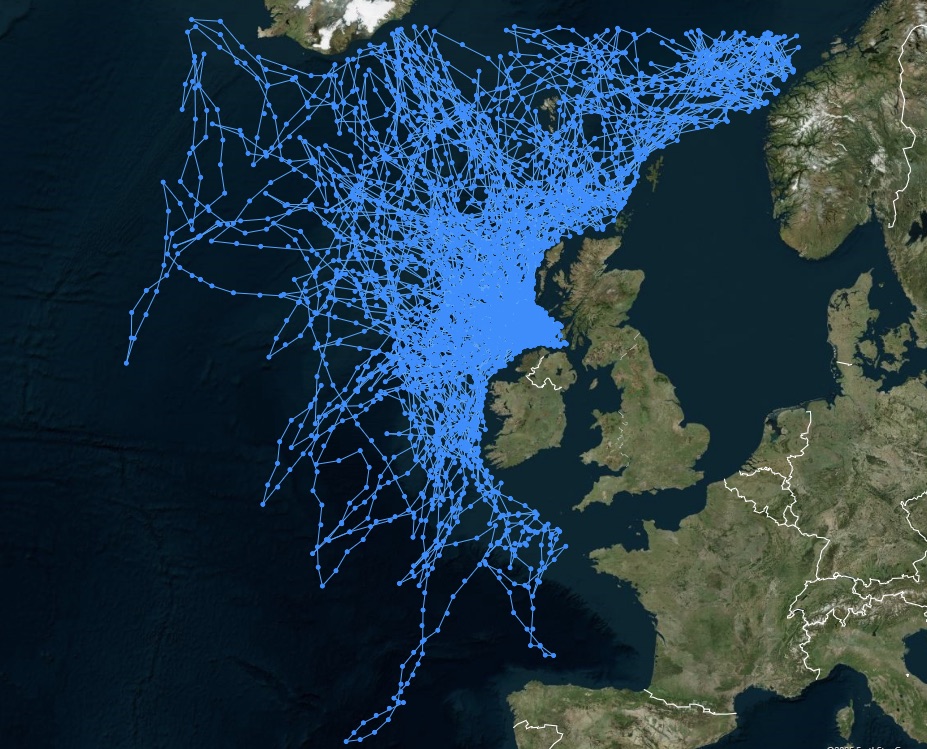 GOLDILOCKS
developed with FacultySeveral moves ahead, not one.
Faculty on the routing model → -
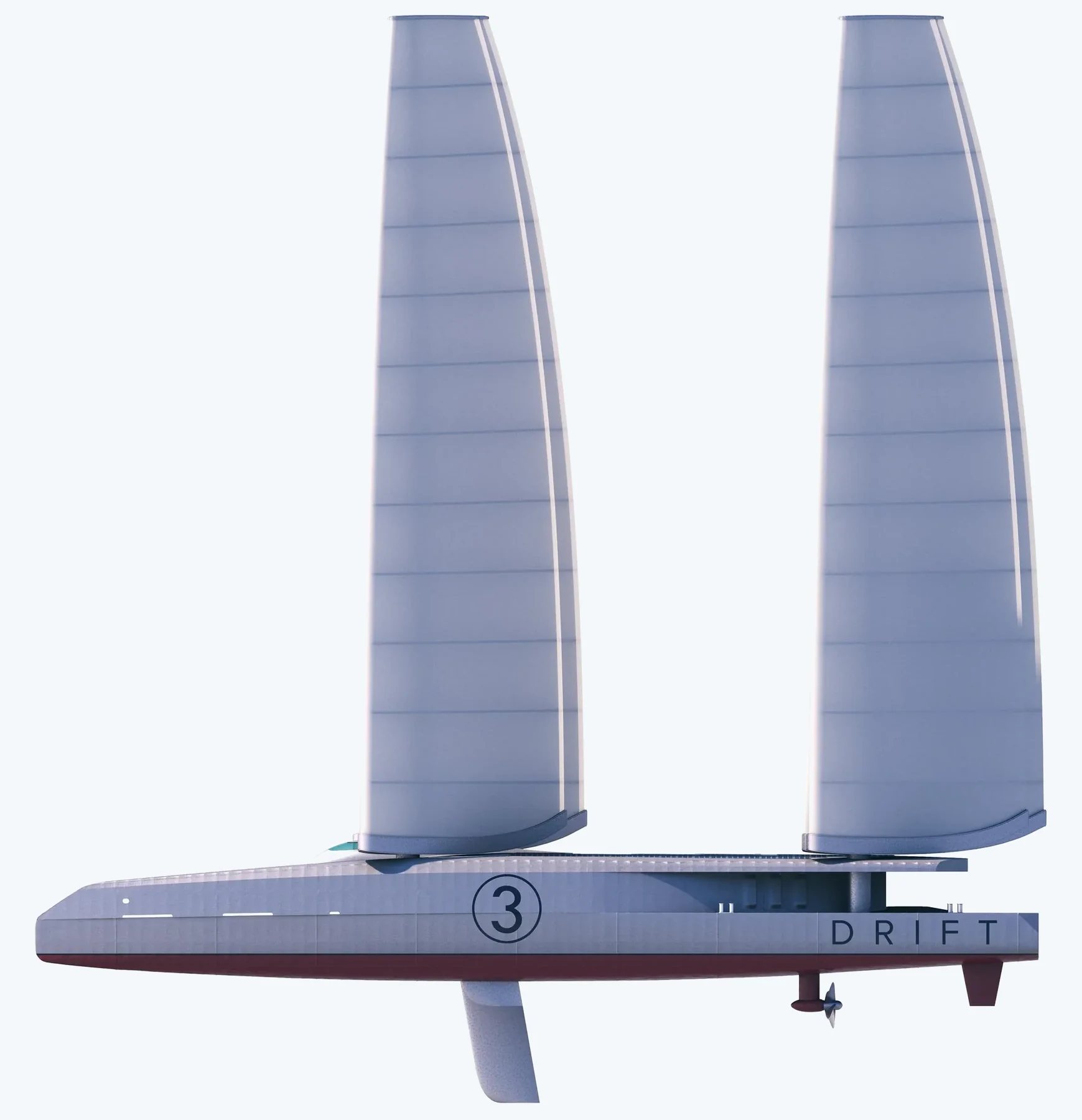 The rig
validated with Cape HornLarge sail area, small platform.
The CFD the rigs are modelled in → -
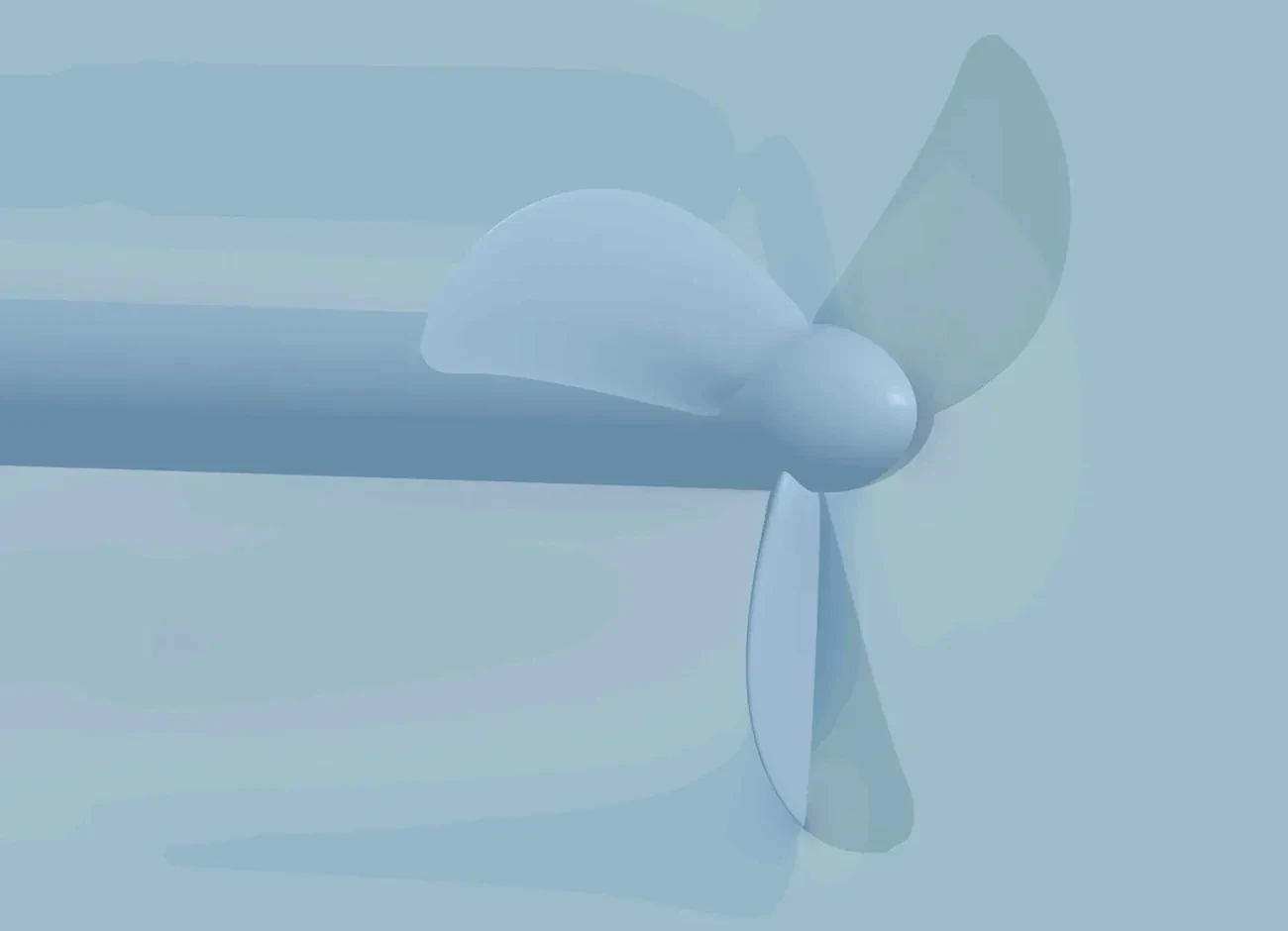 The turbine
validated with RISEOpen flow, on a moving hull.
The turbine collaboration →
What the energy becomes. Here, compute.
-
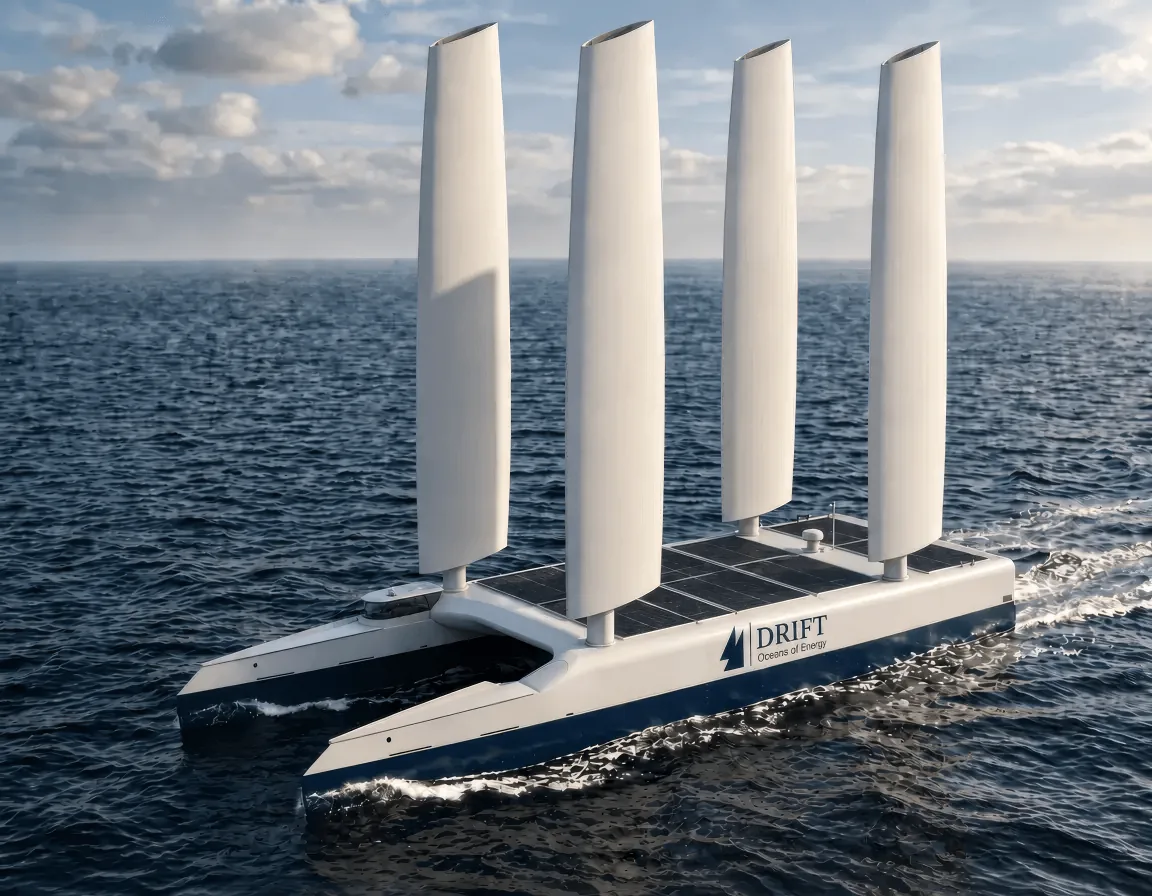 The payload
design targetRacks in the bay, cooled by the sea.
How a fleet becomes one data centre →
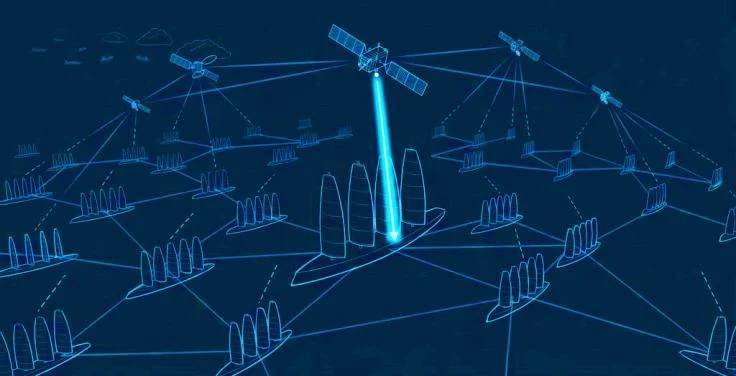
A virtual compute cluster, on their own network.
Vessels are meshed into a single virtual data centre. Customers deal with one fleet, not a scatter of ships.
- Microwave mesh network – mast to mast at 80-100km.
- A hub vessel carries the fleet’s satellite gateway
- Elastic: vessels join or move between fleets
100+ MW of firm IT per fleet, under one contract, one SLA and one interface.
From one hull to full-size fleets.
Each stage builds the capability, the data and the customers the next one needs.
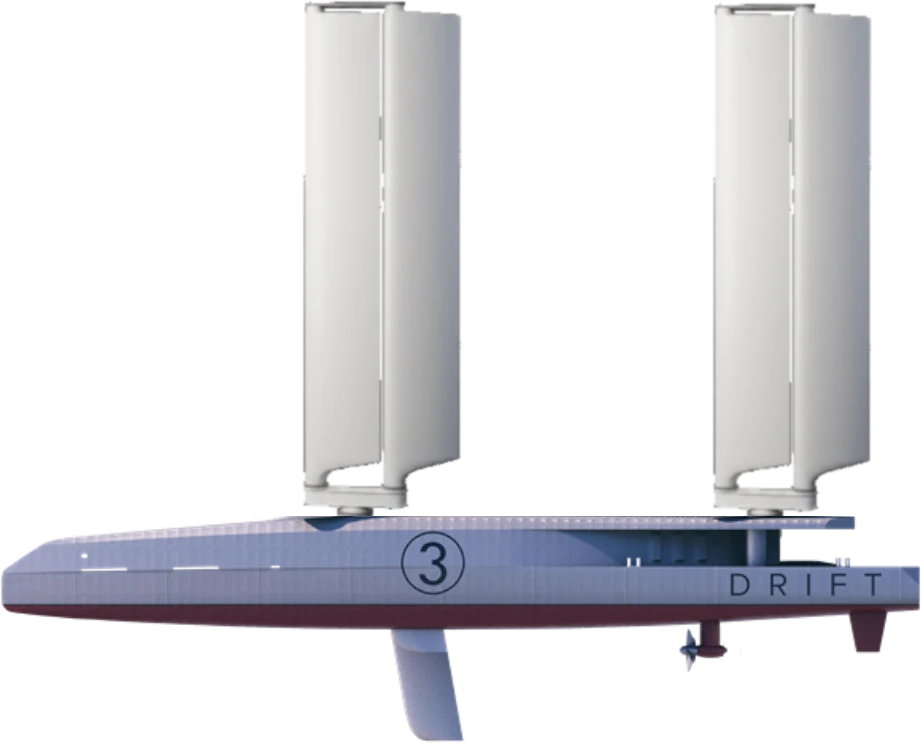
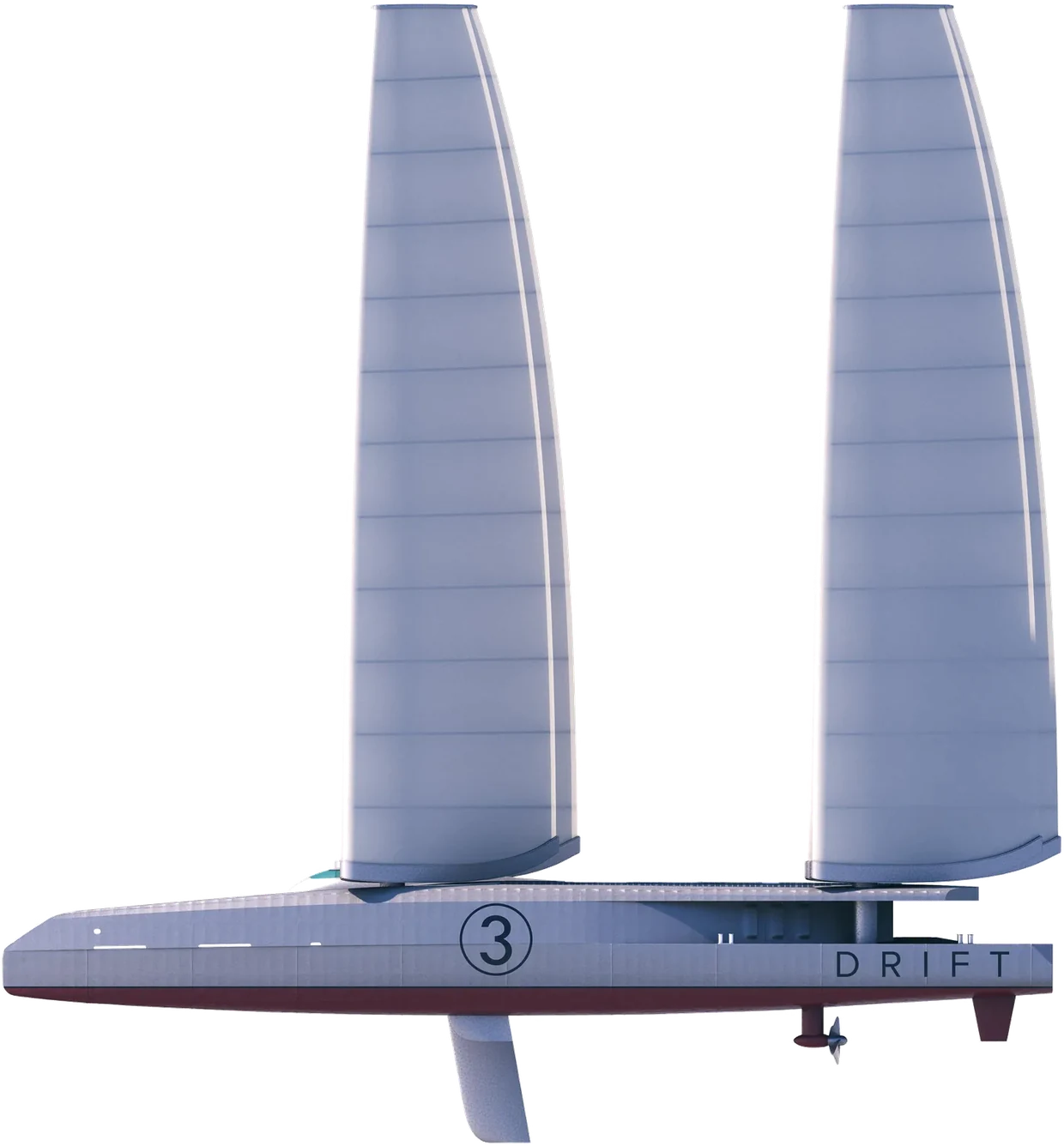
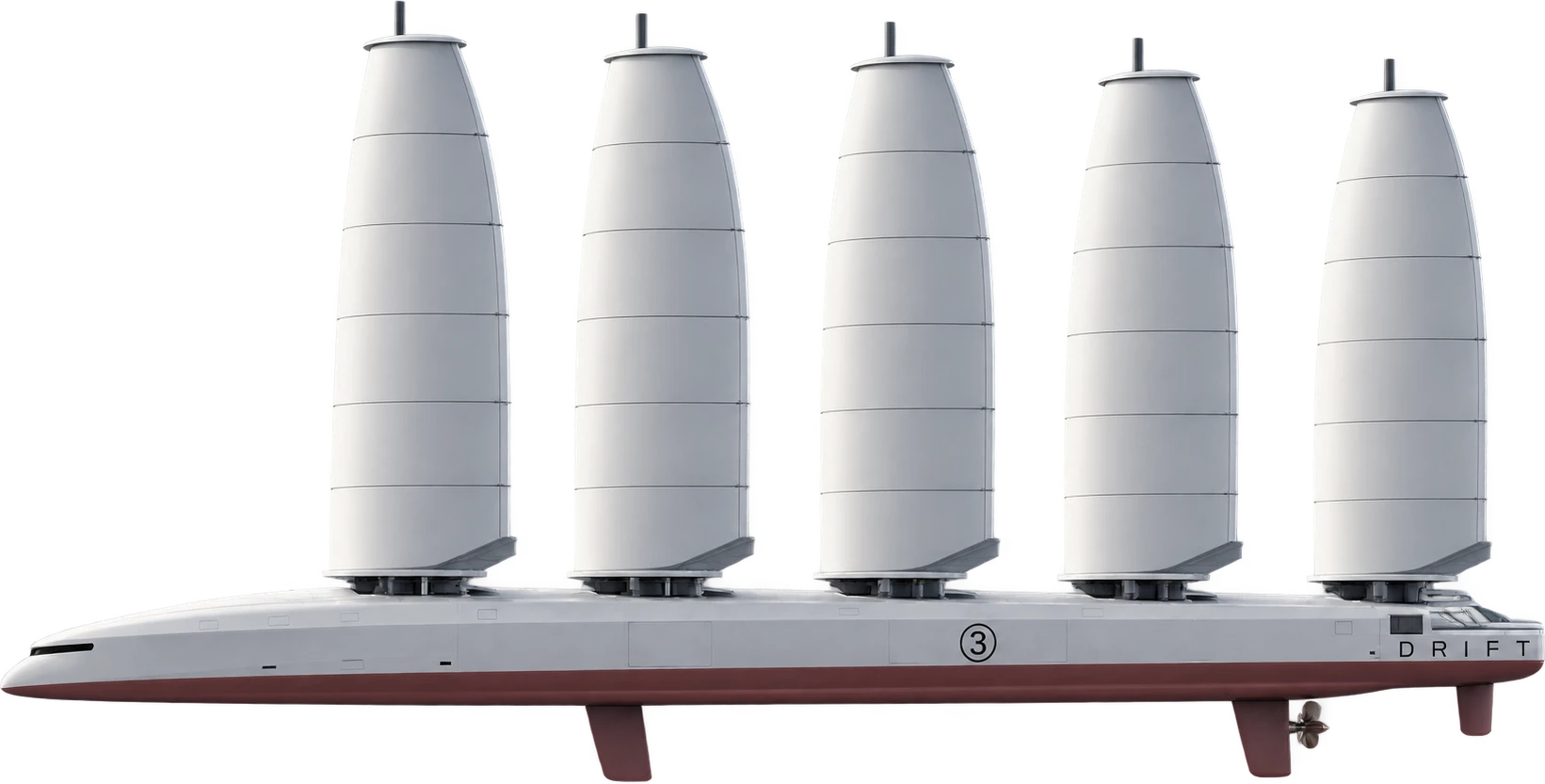
-
MVY Mk 1In build Q1 20271.6 MW – 700 GPU’sRINA AiP1x Commercial Pilot
-
MVY FleetH2 20283 MW – 1300 GPU’s€500m SPV finance signed50+ Commercial ships
-
GIGASHIP~203020 MW - 8,250 GPU’s1Concept drafted100+ Global Flotilla
Timeline linked to funding milestone, subject to change.
1 20MW supply at PUE 1.05 (19 MW IT), sized at ~8,250 Vera Rubin GPUs (~115 NVL72 racks) using NVIDIA’s illustrative DSX MaxLPS inference model. Data points scaled to regen power.