
Multiple markets.
One product.
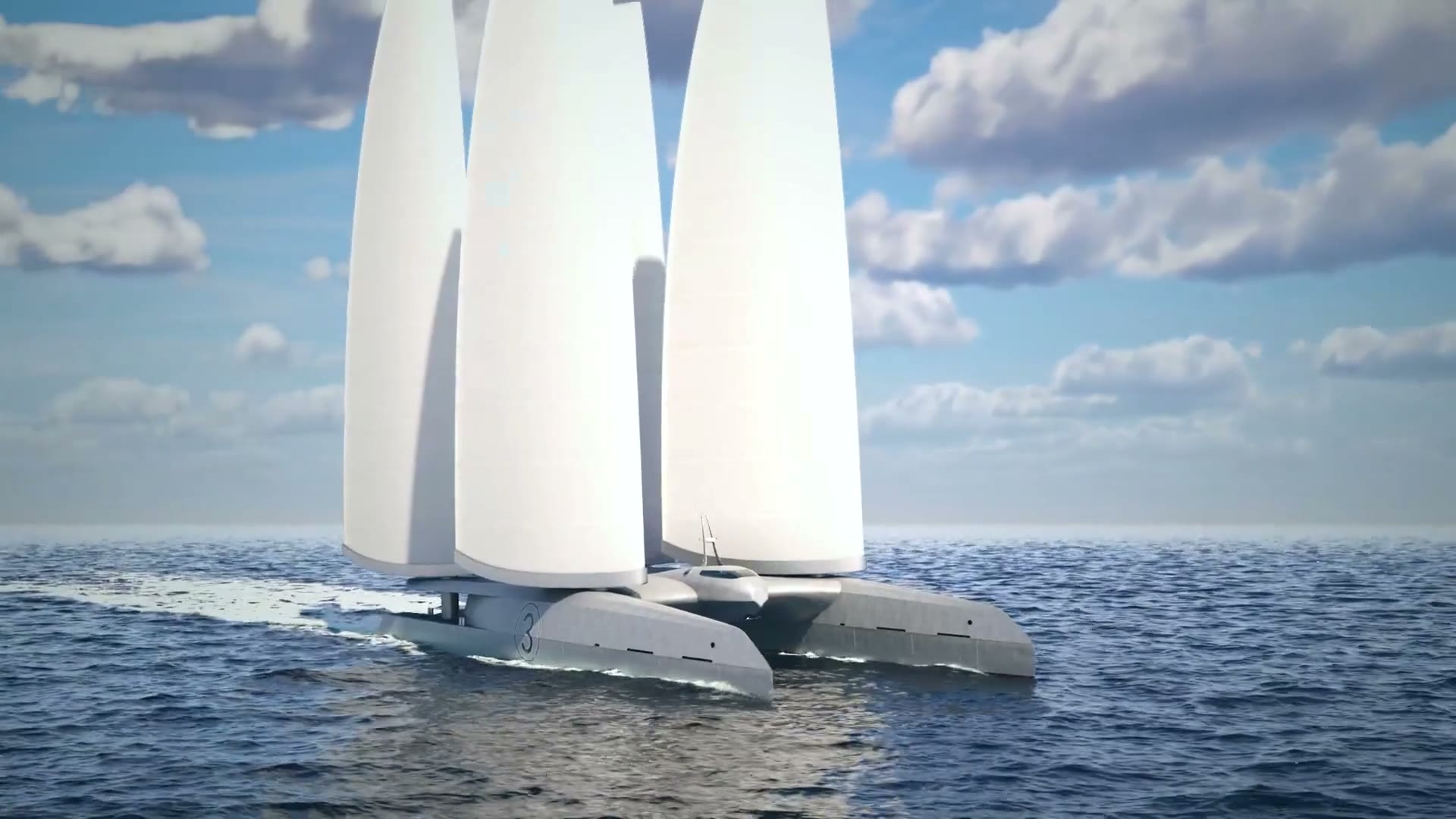
At its core this is an energy-harvesting vessel that generates megawatts of electrical power from the deep ocean. What it does with that power depends on the customer and the use case.
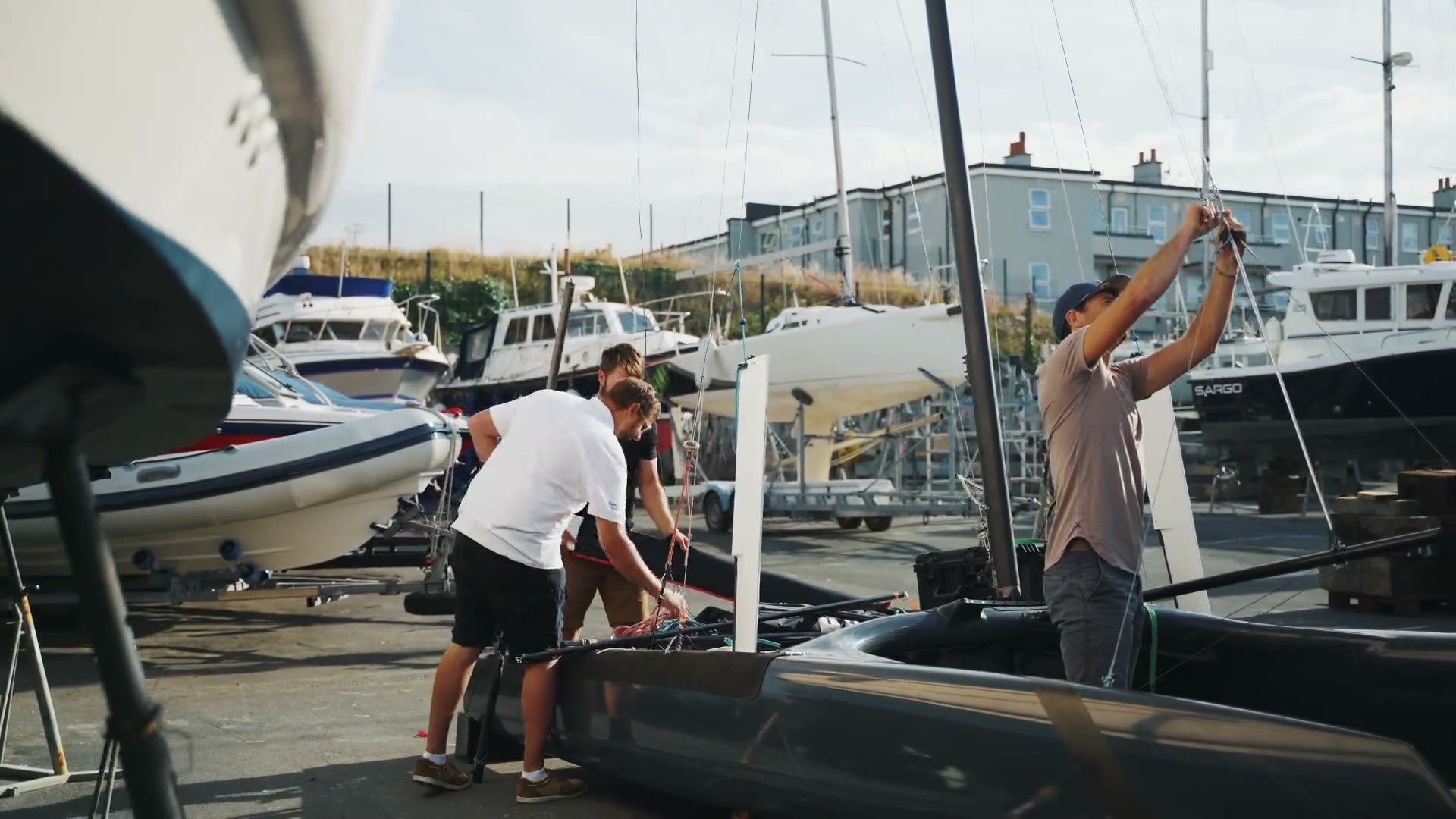
Co-locate the industry onto the platform.
When heavy industry can’t rely on the grid and is co-locating renewables, DRIFT asks why not co-locate the industry onto the renewable platform.
The current MVY use cases in development:
- Compute Datacentre – Uses the energy onboard, autonomous vessels that harvest the wind at sea and power onboard data centers. Explore the Compute Galleon →
- Hydrogen - converts this energy to green hydrogen and stores it in compressed gas cylinders. That single product is bought by different customers for different reasons — and because the ship moves, it can serve a European bunkering contract this quarter and an island-nation supply deal the next. How the hydrogen vessel works →
DRIFT is exploring potential case studies for future flotillas, such as:
- Alternative fuel types — ammonia and e-fuels
- Carbon capture at sea
- Battery storage — once the technology catches up
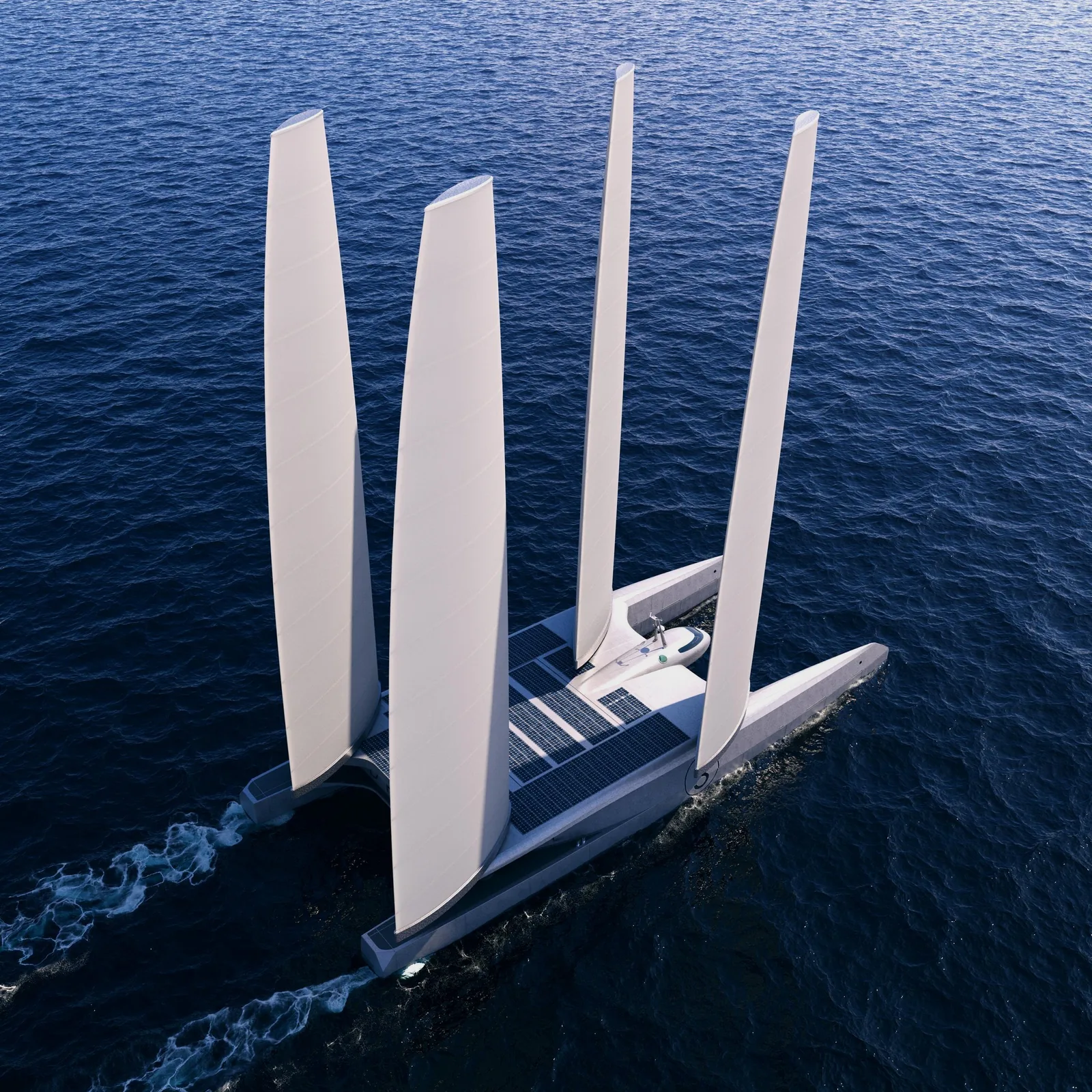
Sail the datacentre to the power.
Grid connection is the queue every datacentre is stuck in. Put compute on board and it becomes a datacentre that generates what it consumes, off-grid, located wherever the wind is strongest.
- No quay at either end: nothing is landed and nothing is plugged in
- Off-grid by construction, so there is no connection to wait for
Grid connection is one queue. Planning permission is the other, and a land datacentre can buy its way out of neither. A ship is built in a yard rather than permitted on a site, so capacity arrives in months rather than years — and for the workloads this is aimed at, AI training and scientific computing among them, sitting close to the user was never worth paying for.
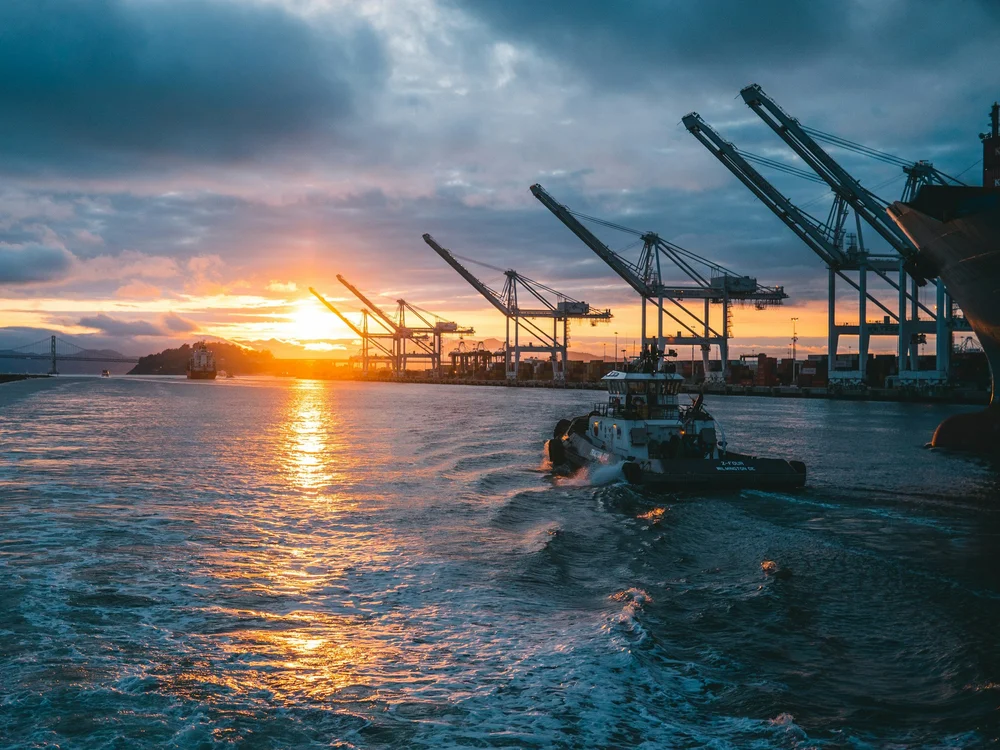
Fuel the hard-to-abate.
Deliver green energy straight into bunkering and co-located heavy industry — without waiting for a grid upgrade.
- Lift ashore by ordinary port crane, or pump to the quayside
- No grid queue, because the energy is decentralised and does not require a connection
Heavy industry at the quay is stuck behind the same grid connection everyone else is queuing for. This arrives by ship instead, so the constraint is berth time rather than transmission capacity.
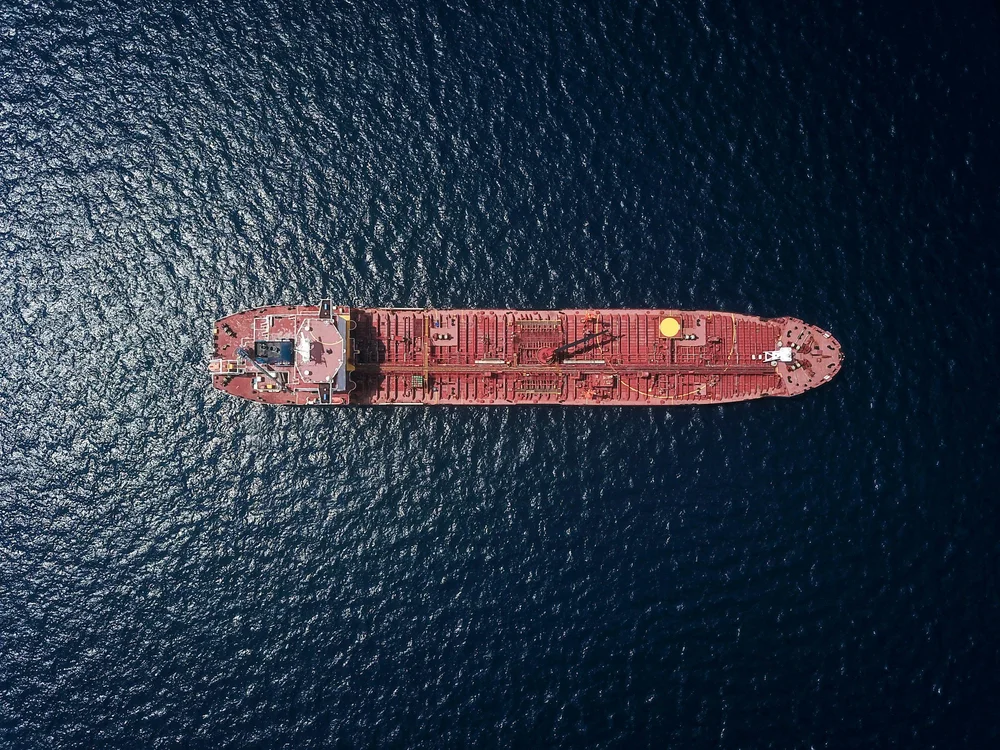
Decarbonise the fleet that carries the world.
Clean fuel for maritime operators, plus FuelEU and IMO compliance value. Mid-route refuelling unlocks routes shore-side bunkering cannot reach.
- Bunker in port or at anchor, vessel to vessel
- FuelEU · IMO compliance value on top of the fuel itself
- At sea — refuelling mid-route is a planned future capability
For an operator the fuel is only half the purchase; the other half is a compliance position they would otherwise have to buy separately. A supplier that is itself a ship can also reach them where a terminal cannot.
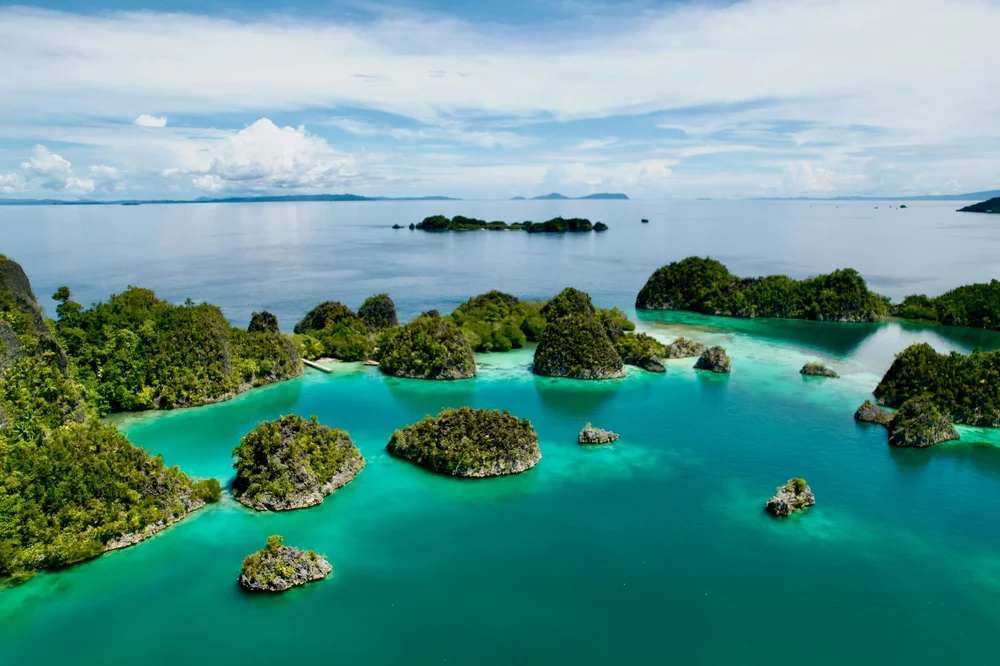
Turn large ocean states into energy exporters.
Non-invasive, geography-matched generation. Move from energy dependence to energy export — and lift GDP with it.
- Geography-matched — the resource is the water already around them
- Non-invasive — nothing is moored, cabled or built on the seabed
- Export, not just supply — the product is tradable once landed
A small island state has little land and a great deal of ocean, which makes it energy-poor under every fixed technology and energy-rich under this one. The phrase "large ocean state" is the whole argument compressed.
Multiple buyers. One thing to build.
Route to market does not depend on where the wind was. Generation is decoupled from delivery — it makes energy on Tuesday and sells it on Friday — and what that energy becomes is a decision taken per vessel rather than per company: green hydrogen on the MVY today, an alternative fuel, carbon capture or compute on the ships that follow.
The offtake structure
is the interesting part.
Offtake, pricing and the commercial model for each of these markets are available to prospective investors.