
Driving innovation with CMDC6: Producing a low cost DynaRig for commercial application
DRIFT Energy has completed a Clean Maritime Demonstration Competition Round 6 (CMDC6) project exploring the commercialisation of advanced sailing rig technology originating from the superyacht sector.
DRIFT Energy has completed a Clean Maritime Demonstration Competition Round 6 (CMDC6) project exploring the commercialisation of advanced sailing rig technology originating from the superyacht sector.
Led by Southern Spars, owners and developers of DynaRig and a division of the North Technology Group, the project sought to reduce the production cost of DynaRig systems, thereby improving their appeal for application within commercial shipping.
The DynaRig system – featured on notable vessels such as the ‘Maltese Falcon’ and ‘Black Pearl’ - is an advanced, high-performance sailing solution characterised by freestanding, rotating masts with fixed, curved yards that support the sails.
Case study: energy harvesting and cost feasibility
DRIFT's energy-harvesting sailing vessels served as a case study, demonstrating the technical and financial feasibility of industrialising DynaRig technology.
DRIFT ships harvest deep ocean wind offshore to produce green hydrogen at sea, storing it onboard for subsequent delivery into ports worldwide. Consequently, the influence of sailing rig technology on the levelised cost of hydrogen (LCOH), which evaluates the lifetime cost of producing one kilogram of hydrogen, was a critical metric assessed during the project.
Structure and scope
The project was structured in three main phases, concentrating on advancing the design of DynaRig, reducing costs associated with production, operation and maintenance, enhancing automation, and exploring vessel integration. The overall scope encompassed multiple work packages covering management, automation, hardware, modular design, vessel integration, dissemination, and exploitation strategies.
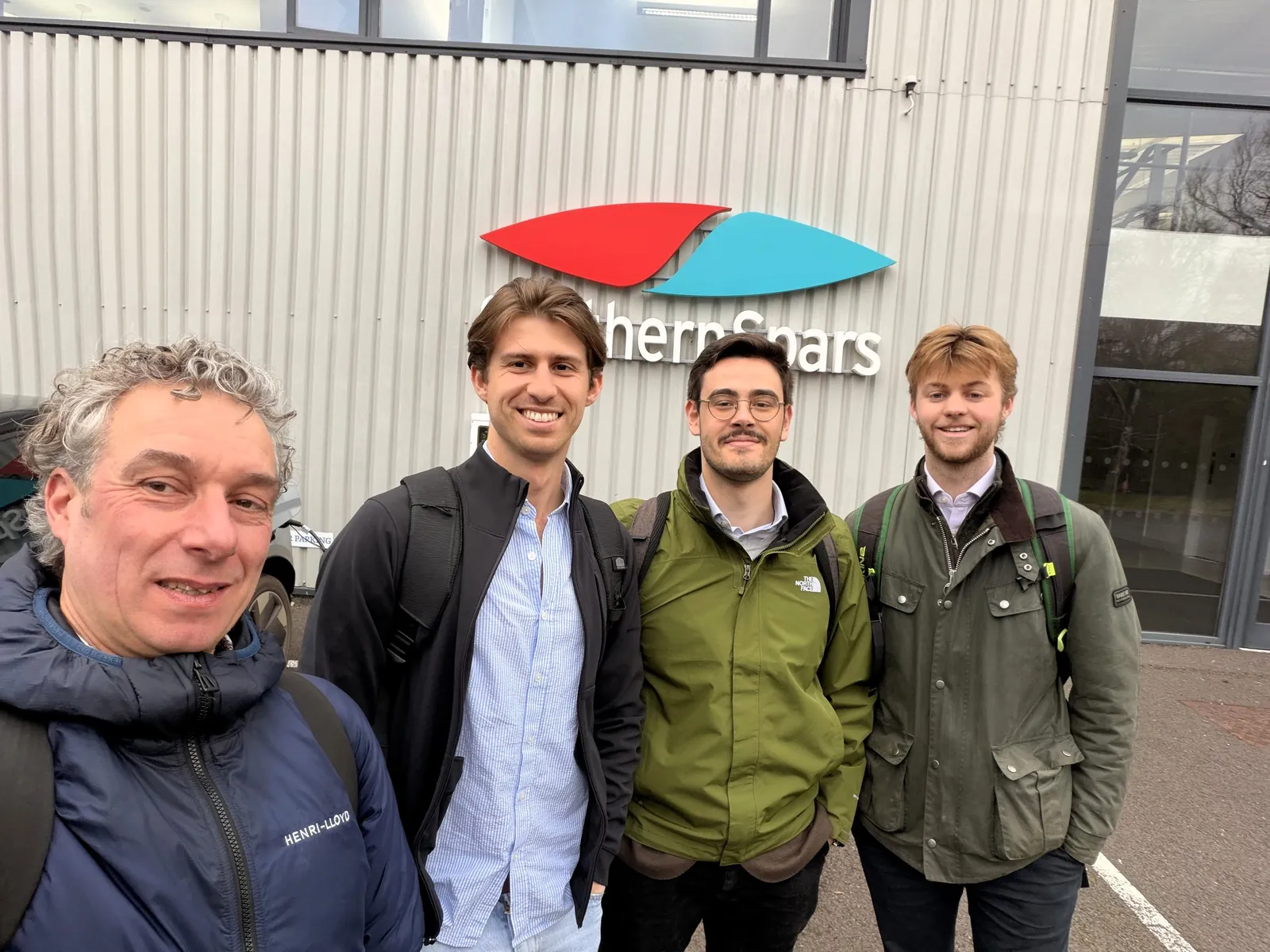
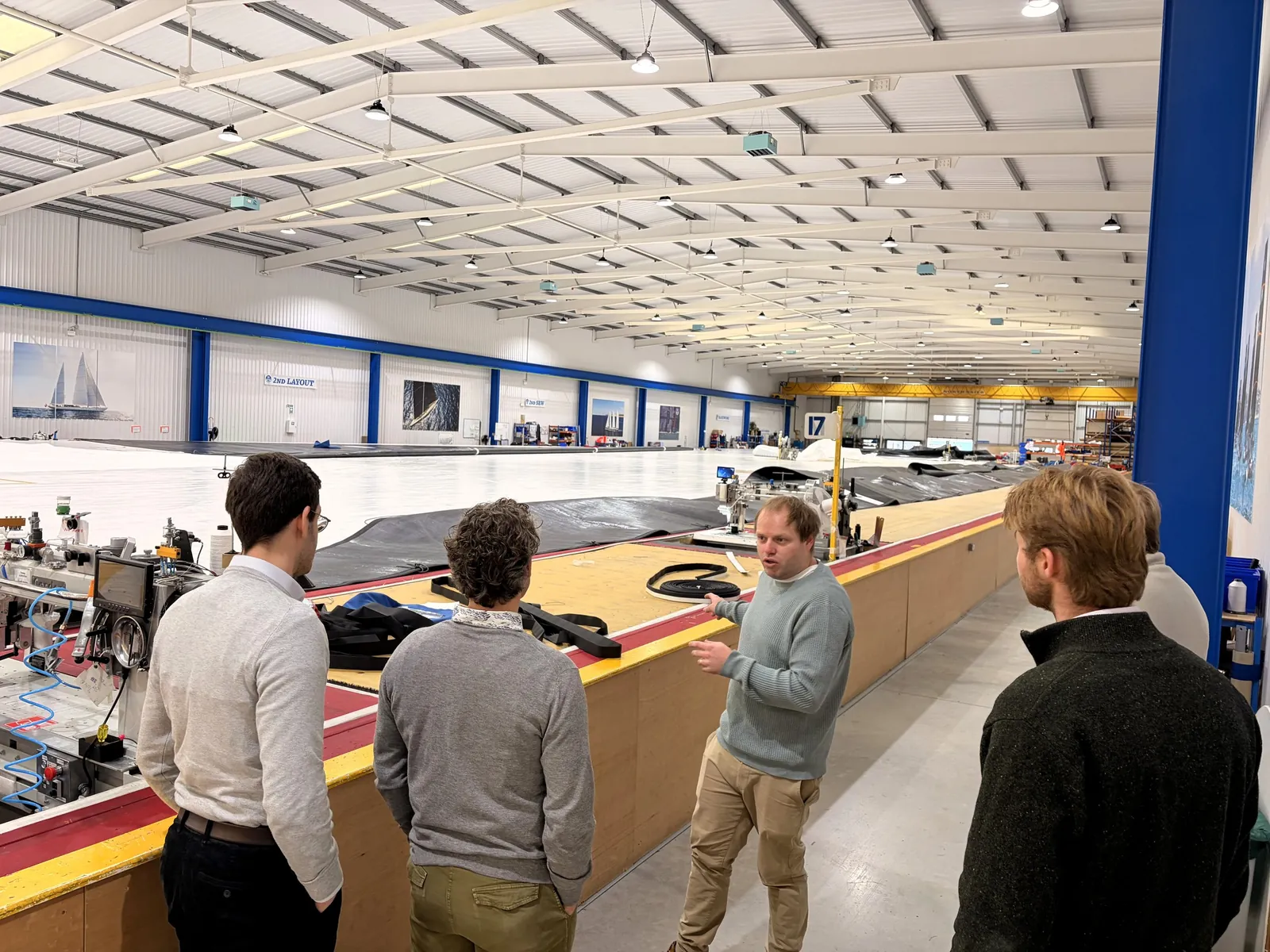
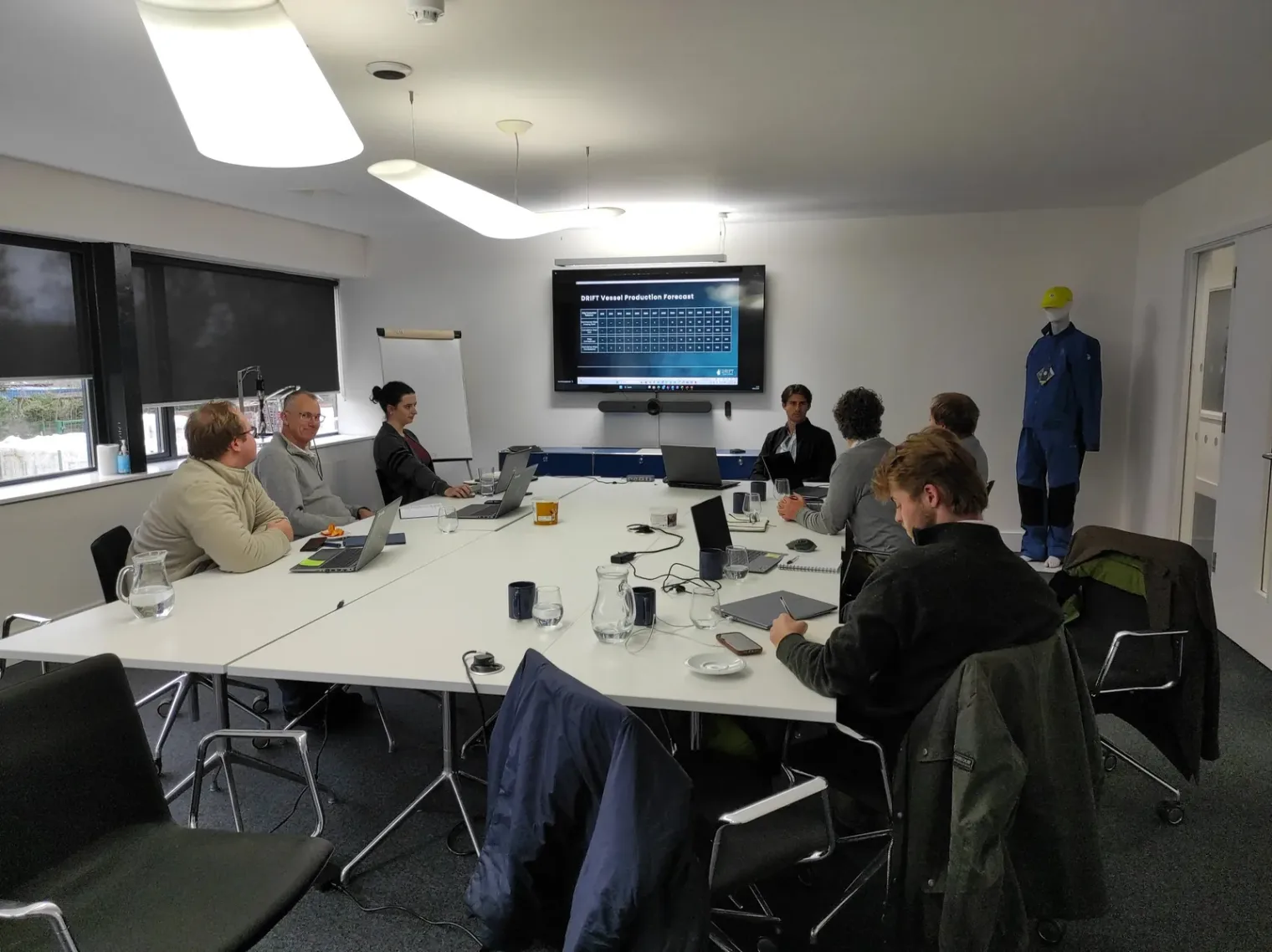
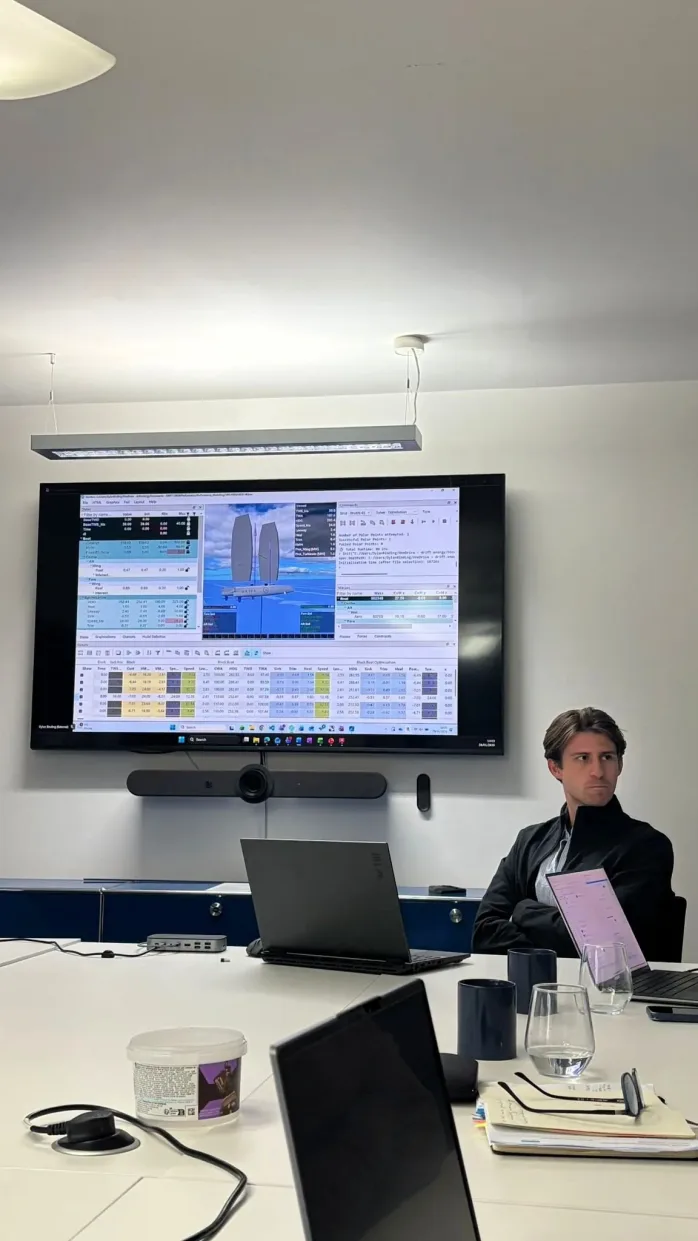
A collaborative workshop was held in February 2026 at Southern Spars’ facility in Gosport, where the two teams addressed rig integration, automation of control systems, and key factors influencing the delivered cost of hydrogen attributable to DynaRig implementation.
Dissemination and industry engagement
Project outcomes have been actively disseminated through presentations at key seminars and trade shows, including METS and wind propulsion forums. Visibility and stakeholder engagement has increased notably for both companies, with activities aimed at extending market reach and supporting broader commercial adoption ongoing.
In April 2026, DRIFT Energy was awarded Approval in Principle (AiP) from RINA, the first ever AiP for an energy-harvesting ship. The AiP recognises the leading potential of DRIFT's energy-harvesting vessels to generate and deliver green hydrogen at sea through integrated, renewable generation, storage and distribution.
“This project has seen Southern Spars and DRIFT form an excellent collaboration to develop the DynaRig system for DRIFT’s innovative vessel design. The project team have shown that maritime research in the UK is productive, vibrant and world leading.”
— James Lovett, Innovation Lead for Future Maritime Technologies, Innovate UK
Future plans and collaboration opportunities
For CMDC 7, DRIFT Energy is preparing to lead a project under the Deployment Trials strand, utilising its 24-metre demonstrator vessel. This will involve working alongside project partners and subcontractors to complete and build the final design, launch the vessel, and demonstrate the delivery of energy to shore. The initiative will build upon DRIFT’s successful proof of concept demonstration in 2022 and represents the next step towards development of the company’s 60-metre commercial vessel.
DRIFT is also seeking opportunities to partner with other organisations as an end user, mirroring the collaborative approach of the Dynarig project. This will enable joint exploration and advancement of emerging, cutting-edge technologies within the sector.
“North Windships values its collaboration with DRIFT Energy as a highly effective partnership that has strengthened both the technical and commercial development of full wind‑powered propulsion. DRIFT’S end‑user perspective and future platform for real‑world deployment have helped align DynaRig development with practical operational requirements, while supporting more robust feasibility and cost assessments. The collaboration has accelerated learning on integration, automation, and operational readiness, and has increased confidence in the scalability of the technology. We see this partnership as a strong model for future innovation, combining proven wind‑propulsion engineering with forward‑looking commercial application.”
— Rudy Jurg, Head of Sales, DynaRig